CMS Open Payments, Sanction Checks, and Exclusions List OIG: Why Healthcare Compliance Matters More Than Ever in 2026
- venops431
- 3 days ago
- 5 min read

The healthcare industry in the United States is changing rapidly. Hospitals, medical groups, pharmaceutical companies, laboratories, and healthcare vendors are under increasing pressure to maintain transparency and follow strict federal compliance regulations. This is why topics like CMS Open Payments, Sanction Checks, and the Exclusions List OIG have become extremely important for healthcare organizations across the country.

Healthcare compliance is no longer just a legal requirement. It is now a major part of protecting patient trust, avoiding financial penalties, and maintaining a strong organizational reputation. In recent years, the U.S. government has increased monitoring of fraud prevention, payment transparency, and healthcare exclusion violations. Because of this, healthcare providers are investing more in compliance technology and automated screening solutions.
Organizations like Venops help healthcare organizations improve compliance management through sanction screening, exclusion monitoring, and healthcare risk management solutions.
What Is CMS Open Payments?
Centers for Medicare & Medicaid Services Open Payments, commonly known as CMS Open Payments, is a federal transparency program that tracks payments and transfers of value made by pharmaceutical companies and medical device manufacturers to healthcare providers.
The purpose of CMS Open Payments is to improve transparency in the healthcare industry and help identify potential conflicts of interest.
The system publicly reports financial relationships involving:
Physicians
Teaching hospitals
Medical organizations
Pharmaceutical companies
Medical device manufacturers
Healthcare organizations now monitor CMS Open Payments data carefully because inaccurate reporting or compliance failures can create legal and reputational risks.
Why CMS Open Payments Is Trending in the United States
The importance of CMS Open Payments has increased significantly in recent years because healthcare transparency has become a major national focus.
Several recent trends are driving attention toward CMS Open Payments:
1. Increased Government Oversight
Federal agencies are strengthening compliance monitoring to reduce fraud and unethical financial relationships in healthcare.
2. Public Transparency
Patients and healthcare consumers now actively review publicly available payment data.
3. AI-Based Compliance Monitoring
Healthcare organizations are using AI-powered compliance systems to review and manage CMS Open Payments records more efficiently.
4. Growing Compliance Audits
Healthcare organizations face more audits related to payment reporting and disclosure accuracy.
Because of these trends, healthcare providers are increasingly investing in compliance management solutions.
Understanding Sanction Checks in Healthcare
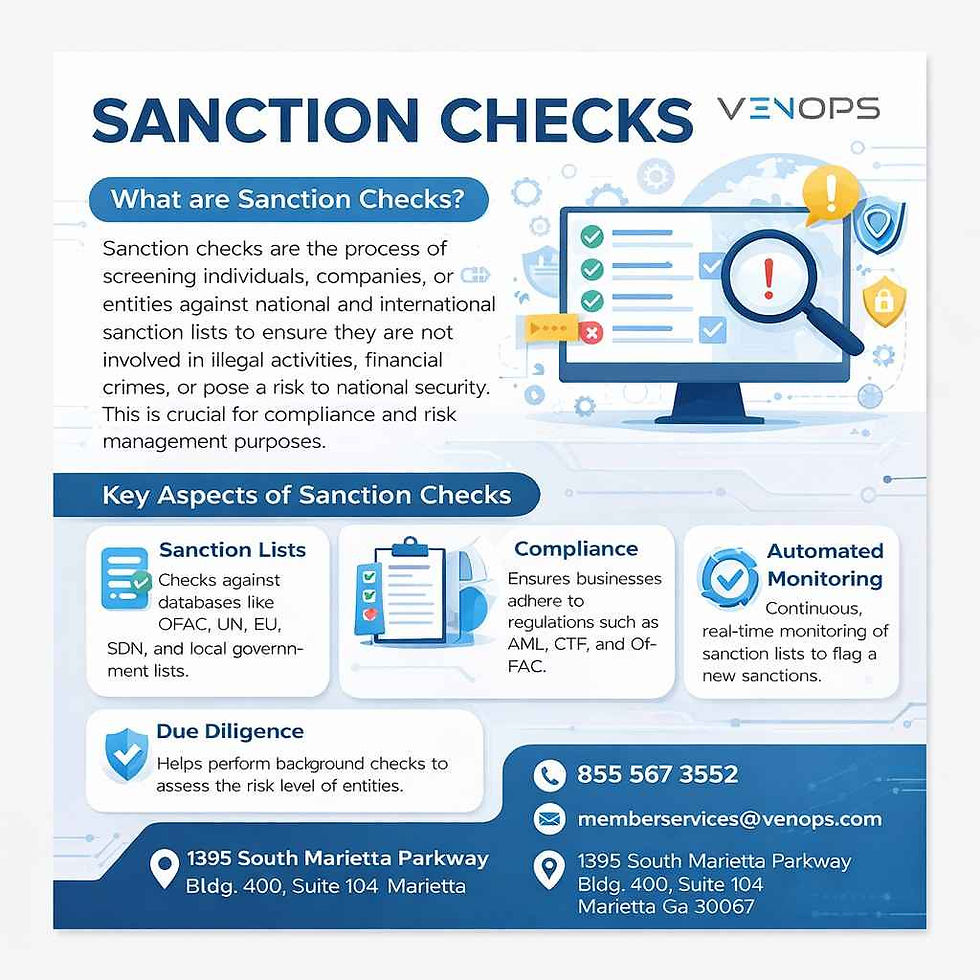
Sanction Checks are one of the most important parts of healthcare compliance in the United States. Healthcare organizations must regularly verify that employees, vendors, contractors, and providers are not listed on federal or state sanction databases.

A proper Sanction Checks process helps organizations:
Reduce fraud risks
Avoid federal penalties
Maintain regulatory compliance
Protect patient safety
Prevent billing violations
Healthcare providers often conduct Sanction Checks against:
Federal sanction lists
State exclusion databases
Healthcare fraud watchlists
Regulatory enforcement databases
Failure to perform proper Sanction Checks can result in:
Large financial penalties
Medicare or Medicaid payment issues
Legal investigations
Reputation damage
This is why automated sanction screening has become a major trend across U.S. healthcare organizations.
Why Automated Sanction Checks Are Growing Rapidly
The healthcare industry now handles massive amounts of provider and vendor data. Manual compliance monitoring is no longer enough.
Modern healthcare organizations use automated Sanction Checks systems because they provide:
Faster screening
Continuous monitoring
Real-time alerts
Reduced human errors
Better audit reporting
Organizations like Venops help healthcare companies improve compliance processes through advanced screening and monitoring services.
Healthcare compliance teams are increasingly adopting automation because government enforcement actions related to sanctions and exclusions continue to increase in the United States.
What Is the Exclusions List OIG?
The Office of Inspector General maintains the Exclusions List OIG, officially called the List of Excluded Individuals and Entities (LEIE).
The Exclusions List OIG contains individuals and organizations excluded from participating in federally funded healthcare programs such as:
Medicare
Medicaid
Federal healthcare contracts
Organizations appearing on the Exclusions List OIG may be excluded due to:
Healthcare fraud
Patient abuse
Criminal convictions
Licensing violations
Financial misconduct
Healthcare organizations must regularly review the Exclusions List OIG to avoid employing or contracting excluded individuals.
Why the Exclusions List OIG Is Critical for Healthcare Providers
The importance of the Exclusions List OIG has grown because federal enforcement actions are becoming stricter every year.
Healthcare providers face major risks if they unknowingly work with excluded individuals or vendors.
Common risks include:
Civil monetary penalties
False Claims Act violations
Government investigations
Compliance violations
Reimbursement issues
This is why healthcare organizations now perform continuous monitoring of the Exclusions List OIG instead of only conducting one-time screenings.
Many compliance experts recommend monthly or automated screening to reduce risks.
Latest Compliance Trends in the United States
Healthcare compliance is evolving rapidly in 2026. Several major trends are shaping how organizations manage CMS Open Payments, Sanction Checks, and the Exclusions List OIG.
1. AI and Automation in Compliance
Healthcare organizations are adopting AI-powered tools to automate screening, reporting, and monitoring tasks.
2. Continuous Monitoring
Instead of periodic checks, many organizations now use continuous sanction monitoring systems.
3. Vendor Compliance Management
Healthcare organizations are screening third-party vendors more carefully than ever before.
4. Increased Enforcement Actions
Federal agencies are increasing investigations related to exclusion violations and payment transparency.
5. Cloud-Based Compliance Solutions
Cloud compliance systems are helping organizations manage screening processes more efficiently across multiple locations.
These trends are making healthcare compliance technology more important than ever.
How Venops Supports Healthcare Compliance
Venops helps healthcare organizations improve compliance management through screening, exclusion monitoring, and sanction verification solutions.
Healthcare providers need reliable systems to manage:
CMS Open Payments compliance
Automated Sanction Checks
Continuous Exclusions List OIG monitoring
Vendor compliance
Risk management
As regulations continue changing, healthcare organizations increasingly rely on technology-driven compliance solutions to reduce operational risks and maintain regulatory standards.
Why Compliance Is Important for Every Healthcare Organization
Healthcare compliance is no longer optional. Organizations must actively monitor provider relationships, vendor compliance, and exclusion databases to protect patient trust and avoid financial penalties.
The growing importance of CMS Open Payments, regular Sanction Checks, and monitoring the Exclusions List OIG shows how strongly the healthcare industry now focuses on transparency and accountability.
Organizations that invest in modern compliance systems are better prepared to:
Avoid legal risks
Improve operational efficiency
Reduce compliance errors
Maintain federal program eligibility
Strengthen patient trust
Conclusion
The U.S. healthcare industry is becoming more regulated, transparent, and technology-driven. This is why CMS Open Payments, automated Sanction Checks, and continuous monitoring of the Exclusions List OIG are now essential for healthcare organizations.
Federal agencies are increasing compliance oversight, while healthcare providers are investing in smarter compliance solutions to manage growing regulatory challenges.
Organizations like Venops support healthcare providers with modern compliance services that help reduce risks, improve screening efficiency, and maintain regulatory compliance in today’s evolving healthcare environment.
1. What is CMS Open Payments?
CMS Open Payments is a federal transparency program that tracks payments made by pharmaceutical and medical device companies to healthcare providers.
2. Why are Sanction Checks important in healthcare?
Sanction Checks help healthcare organizations identify excluded or sanctioned individuals to avoid compliance violations and penalties.
3. What is the Exclusions List OIG?
The Exclusions List OIG is a federal database of individuals and entities excluded from participating in Medicare, Medicaid, and other federal healthcare programs.
4. How often should healthcare organizations perform Sanction Checks?
Many compliance experts recommend monthly or continuous automated Sanction Checks for better compliance monitoring.
5. How can Venops help healthcare organizations?
Venops provides healthcare compliance solutions including sanction screening, exclusion monitoring, and compliance management services.


Comments